





لم يكن دخول مسلسل “عرس الجن” في موسم رمضان 2026 مجرد عرض عادي، بل كان زلزالاً فنياً أعاد صياغة أدب الرعب الخليجي. عبر سلسلة “وحوش 2”، تمكنت الفنانة السعودية إلهام علي من خطف الأضواء ببطولتها لحكاية “عرس الجن”، محولة أسطورة شعبية كويتية إلى تجربة بصرية تشد الأنفاس وتجذب المشاهد.
إلهام علي.. عبقرية الأداء بين الزهو والرعب
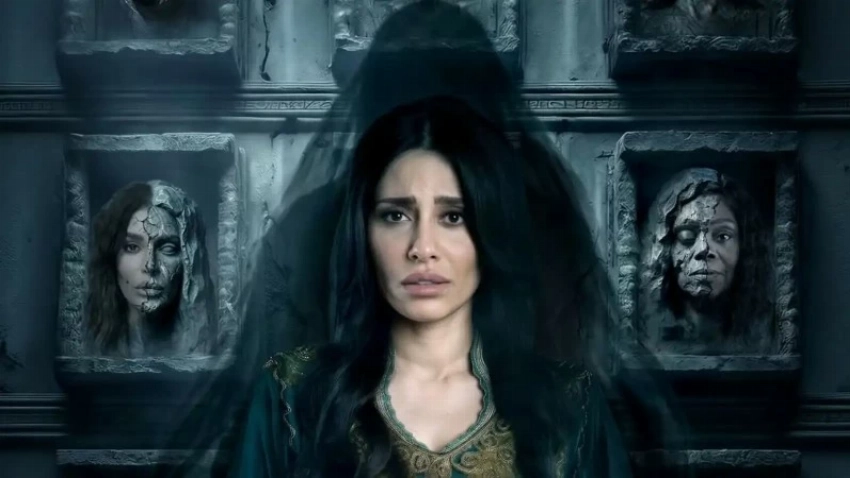
في رحلة فنية جديدة ، تجسدت إلهام علي بشخصية “نورة”، المطربة الشعبية في التسعينيات، التي وجدت نفسها وفرقتها داخل قصر غامض لإحياء حفل زفاف يتحول إلى وليمة للجن.
لم يقتصر تميز أدائها على صرخات الرعب، بل أبدعت في التقاط التحولات النفسية الدقيقة، متنقلة بين الزهو والاحتراف، ثم الصدمة، وصولاً إلى الانكسار والذهول.
وصف النقاد مشهد القصر المهجور بأنه “لحظة مفصلية” في دراما رمضان هذا العام، مؤكدين أن أداء إلهام علي شكّل رداً حاسماً على كل من شكك في موهبتها.
تفاعل جماهيري غير مسبوق
تحول المسلسل إلى ترند يومي على منصات التواصل الاجتماعي، إذ كتب أحد المتابعين:
“بعد مشاهدة عرس الجن لم أنم بسهولة”
بينما ركز آخرون على القيمة الفنية للعمل، مشيدين بقدرة إلهام على نقل المشاهد إلى قلب تجربة “نورة” بكل تفاصيلها، من الاستنكار إلى الرعب الحقيقي.
تفاصيل العمل وأبرز ملامحه
قاد الإخراج الفنان سعيد الماروق، الذي نجح في خلق جو مشبع بالغموض النفسي بعيداً عن كليشيهات الرعب التقليدية، بينما صاغ فيصل البلوشي الحكاية بأسلوب يمزج بين التوثيق والدراما التشويقية، مستنداً إلى قصة وقعت عام 1997.
شارك إلهام علي نخبة من النجوم، منهم أحمد النجار، فتات سلطان وحصة النبهان، في إطار يضيف عمقاً للأحداث ويعزز حالة التشويق والرعب.

أسطورة 1997.. ليلة الطقاقة نورة
تستند الحكاية إلى واقعة هزت المجتمع الكويتي حين اعتزلت “الطقاقة نورة” الفن فجأة بعد ليلة مرعبة في منطقة الصباحية، إذ قالت المطربة الشعبية الشهيرة في التسعينيات، أنها وجدت نفسها وفرقتها داخل قصر غامض لإحياء حفل زفاف تبين لاحقاً أنه “وليمة للجن”.
المسلسل أحيا تلك الليلة بكل تفاصيلها: من الحوافر التي لمحتها الفرقة تحت فساتين السهرة إلى اكتشاف القصر الفخم كأطلال مهجورة منذ عقود.
أداء إلهام علي، الذي وُصف بـ “العبقري”، أثبت أن الرعب الحقيقي لا يكمن في المؤثرات البصرية فحسب، بل في قدرة الممثل على نقل عدوى الخوف إلى المشاهدين.
The entry of the series “The Wedding of the Jinn” in the Ramadan season of 2026 was not just an ordinary show; it was an artistic earthquake that redefined Gulf horror literature. Through the series “Monsters 2,” Saudi artist Ilham Ali managed to steal the spotlight with her leading role in the story of “The Wedding of the Jinn,” transforming a popular Kuwaiti legend into a breathtaking visual experience that captivates the audience.
Ilham Ali.. The Genius of Performance Between Pride and Horror
In a new artistic journey, Ilham Ali embodied the character of “Noura,” a popular singer in the 1990s, who found herself and her band inside a mysterious palace to revive a wedding that turns into a feast for the jinn.
Her remarkable performance was not limited to screams of horror; she excelled in capturing subtle psychological transformations, moving between pride and professionalism, then shock, leading to breakdown and astonishment.
Critics described the scene of the abandoned palace as a “turning point” in this year’s Ramadan drama, affirming that Ilham Ali’s performance constituted a decisive response to anyone who doubted her talent.
Unprecedented Audience Interaction
The series became a daily trend on social media platforms, as one follower wrote:
“After watching The Wedding of the Jinn, I couldn’t sleep easily.”
Meanwhile, others focused on the artistic value of the work, praising Ilham’s ability to transport viewers to the heart of Noura’s experience with all its details, from denial to real horror.
Details of the Work and Its Main Features
The direction was led by artist Saeed Al-Marouq, who succeeded in creating an atmosphere saturated with psychological mystery, far from traditional horror clichés, while Faisal Al-Balushi crafted the story in a style that blends documentation and thrilling drama, based on an incident that occurred in 1997.
Ilham Ali was joined by a select group of stars, including Ahmed Al-Najjar, Fattat Sultan, and Hessa Al-Nabhan, in a context that adds depth to the events and enhances the sense of suspense and horror.
The Legend of 1997.. The Night of the Singer Noura
The story is based on an incident that shook Kuwaiti society when “the singer Noura” suddenly retired from art after a terrifying night in the Al-Sabahiya area, where the famous popular singer of the 1990s stated that she and her band found themselves inside a mysterious palace to revive a wedding that later turned out to be “a feast for the jinn.”
The series revived that night in all its details: from the hoofprints that the band glimpsed under the evening gowns to the discovery of the luxurious palace as ruins abandoned for decades.
Ilham Ali’s performance, described as “genius,” proved that true horror does not lie solely in visual effects but in the actor’s ability to transmit the contagion of fear to the viewers.
