





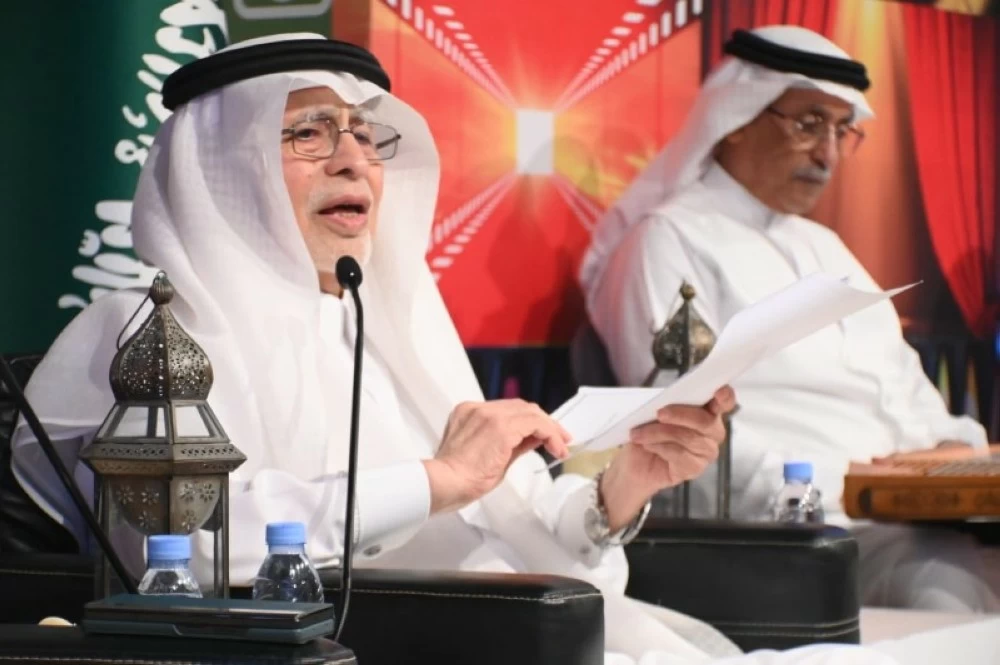
«الفصحى-غناء الروح».. تحت هذا العنوان نظمت جمعية الثقافة والفنون بجدة أمسية ثقافية أحياها الدكتور الشاعر الأديب عبدالعزيز خوجة، وأدارها الدكتور زيد الفضيل، وذلك ضمن برامج الجمعية التي تسعى إلى تعزيز حضور اللغة العربية في الفضاء الثقافي وترسيخ مكانة القصيدة في الوعي الجمالي بدعم من برنامج «مديد» التابع لهيئة الأدب والنشر والترجمة، وبمشاركة واسعة من المثقفين والفنانين والمهتمين بالشعر والموسيقى.
الثقافة ركيزة التنمية
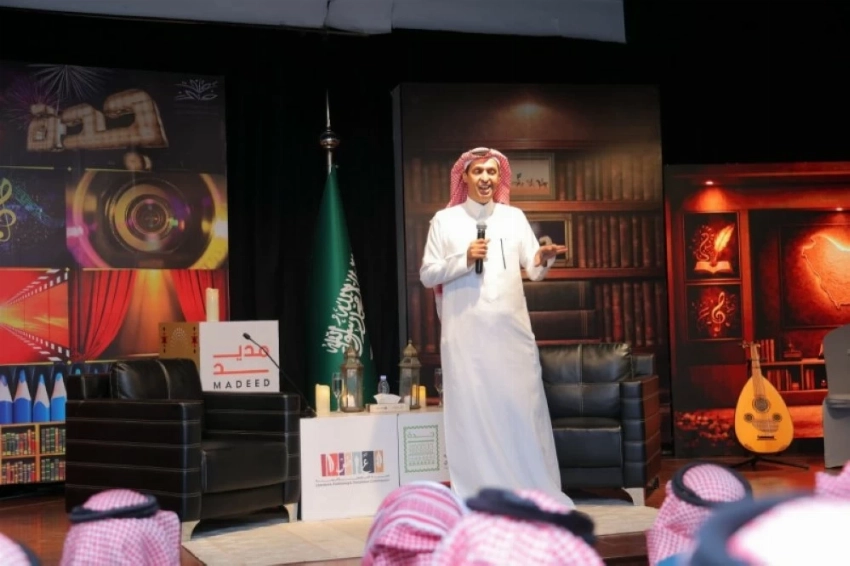
استهلت الأمسية بكلمة لمدير جمعية الثقافة والفنون بجدة محمد آل صبيح، أكد فيها أن ما تشهده المملكة من تحول ثقافي يعكس رؤية قيادتها الطموحة التي وضعت الثقافة والفنون في صميم التنمية الوطنية، مشيراً إلى أن الموسيقى والغناء يمثلان قوة ناعمة تعبر عن روح المجتمع السعودي وتبرز قيمه الجمالية وتسهم في بناء الإنسان وتعزيز الهوية والانتماء.
حوار في عمق التجربة
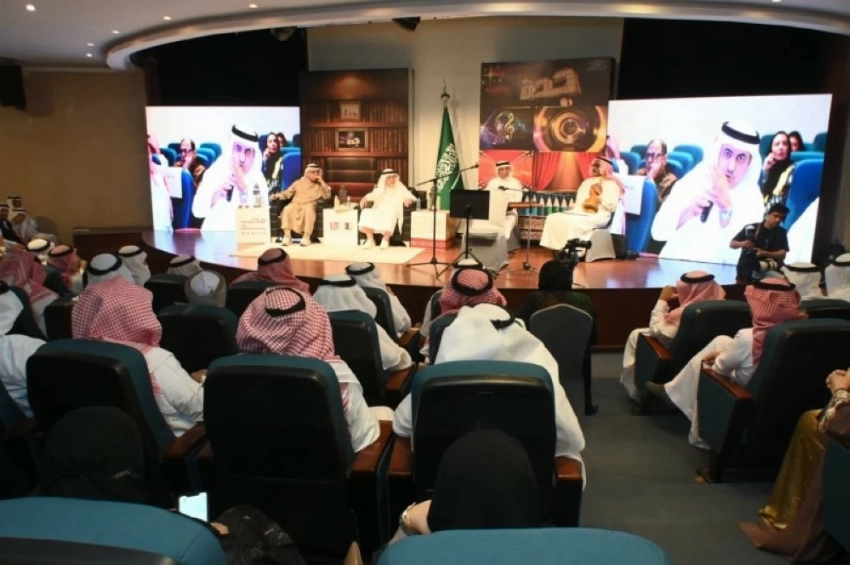
قاد الدكتور زيد الفضيل حواراً ثرياً مع الدكتور عبدالعزيز خوجة، تناول مسيرته الشعرية وتحولات تجربته بين القصيدة المكتوبة والقصيدة المغناة، إذ اصطحب الحضور في رحلة جمالية عبر نصوص تغنى بها كبار الفنانين العرب مثل وديع الصافي وصباح فخري ومحمد عبده وعبادي الجوهر وكريمة الصقلي وهبة قواس وفدوى المالكي وخالد سليم وغيرهم.
الأغنية وبناء الحس الوجداني
توقف خوجة عند دور القصيدة الغنائية في تشكيل الذائقة وتنمية الحس الإنساني، مؤكداً أن الأغنية تمنح النص الشعري حياة متجددة وتفتح له مساحات أوسع للوصول إلى الجمهور، مشيراً إلى أن الأغنية السعودية اليوم تمثل نموذجاً متقدماً في المشهد العربي من حيث الكلمة واللحن والأداء.
من النص إلى اللحن
وتناول عناصر بناء القصيدة القابلة للغناء، موضحاً أن التكامل بين الصورة والإيقاع واللغة هو أساس نجاح العمل الغنائي، وأن صدق التجربة يظل العامل الأهم في استمرارية النص وتأثيره.
الأغنية ذاكرة وطنية
وأشار إلى أن الأغنية الوطنية أسهمت في تشكيل الوجدان الجمعي وأصبحت جزءاً من الذاكرة الثقافية ترافق اللحظات الكبرى وتعكس التحولات الاجتماعية والثقافية في المملكة.
الفن جسور إنسانية
كما أكد أن الموسيقى لغة تتجاوز الحدود وتفتح مجالات للحوار بين الشعوب، وأن القصيدة المغناة قادرة على تقديم صورة حضارية عن الثقافة السعودية في المحافل الدولية.
قراءات وأداء حي
تخللت الأمسية قراءات شعرية قدم خلالها خوجة نماذج من نصوصه، إلى جانب عرض أعمال مغناة في أجواء تفاعلية جسدت تلاقي الكلمة مع الصوت واللحن.
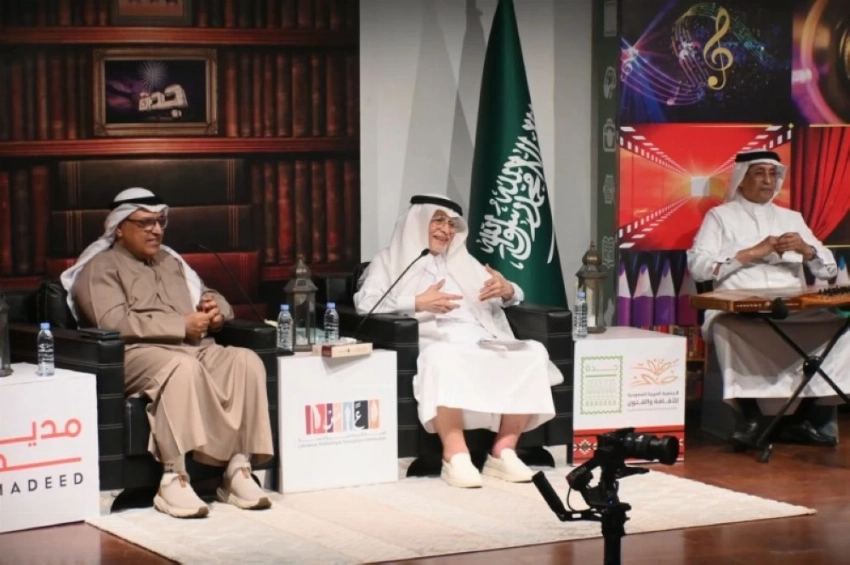
واختتمت الأمسية بعمل وطني من كلماته أداه الفنان محمد هاشم، بمشاركة الموسيقار الدكتور مدني عبادي على آلة القانون وعازف الكمان في لوحة موسيقية عكست تناغم الفن وأثره في توحيد المشاعر.
مداخلات تثري الحوار
وشهد ختام الأمسية مداخلات من السفير أسامة نقلي، والدكتور عبدالله دحلان، والدكتور فهد الشريف، والإعلامي سعد زهير، والشاعرة بديعة كشغري، والشاعر يوسف العارف، والدكتور مامون بنجر، إذ أكدت المشاركات أهمية استعادة حضور القصيدة الفصحى وتعزيز دورها في بناء الوعي الثقافي.
شراكات تصنع الأثر
وفي الختام، أعرب مدير الجمعية محمد آل صبيح عن شكره لهيئة الأدب والنشر والترجمة، ممثلة في برنامج «مديد»، على دعمها المستمر للمبادرات الثقافية، مؤكداً أن هذه الشراكات تسهم في تنشيط الحراك الثقافي وتمكين المؤسسات غير الربحية بما ينسجم مع مستهدفات رؤية المملكة 2030.
“Classical Arabic – The Song of the Soul”.. Under this title, the Culture and Arts Association in Jeddah organized a cultural evening featuring Dr. Abdulaziz Khoja, a poet and writer, with Dr. Zaid Al-Fadhil as the moderator. This event is part of the association’s programs aimed at enhancing the presence of the Arabic language in the cultural space and solidifying the status of poetry in aesthetic awareness, supported by the “Madeed” program of the Literature, Publishing, and Translation Commission, with wide participation from intellectuals, artists, and those interested in poetry and music.
Culture as a Pillar of Development
The evening began with a speech by the Director of the Culture and Arts Association in Jeddah, Mohammed Al-Sabih, who emphasized that the cultural transformation witnessed by the Kingdom reflects the ambitious vision of its leadership, which has placed culture and arts at the heart of national development. He pointed out that music and singing represent a soft power that expresses the spirit of Saudi society, highlights its aesthetic values, and contributes to building individuals and enhancing identity and belonging.
A Dialogue Deep in Experience
Dr. Zaid Al-Fadhil led a rich dialogue with Dr. Abdulaziz Khoja, discussing his poetic journey and the transformations in his experience between written poetry and sung poetry. He took the audience on an aesthetic journey through texts sung by prominent Arab artists such as Wadi’ Al-Safi, Sabah Fakhri, Mohammed Abdu, Abadi Al-Johar, Karima Al-Saqali, Hiba Qawas, Fadwa Al-Maliki, Khaled Selim, and others.
The Song and Building Emotional Sensitivity
Khoja reflected on the role of the lyrical poem in shaping taste and developing human sensitivity, affirming that the song gives poetic text renewed life and opens wider spaces for reaching the audience. He noted that Saudi songs today represent an advanced model in the Arab scene in terms of lyrics, melody, and performance.
From Text to Melody
He discussed the elements of building a song-worthy poem, explaining that the integration of image, rhythm, and language is the foundation for the success of the musical work, and that the authenticity of the experience remains the most important factor in the continuity and impact of the text.
The Song as a National Memory
He pointed out that national songs have contributed to shaping collective sentiment and have become part of the cultural memory, accompanying significant moments and reflecting social and cultural transformations in the Kingdom.
Art as Human Bridges
He also affirmed that music is a language that transcends borders and opens avenues for dialogue between peoples, and that sung poetry is capable of presenting a civilizational image of Saudi culture in international forums.
Readings and Live Performance
The evening included poetic readings during which Khoja presented samples of his texts, alongside a showcase of sung works in an interactive atmosphere that embodied the convergence of word, sound, and melody.
The evening concluded with a national piece of his words performed by artist Mohammed Hashim, with the participation of musician Dr. Madani Abadi on the qanun and a violinist in a musical tableau that reflected the harmony of art and its impact in unifying emotions.
Contributions Enriching the Dialogue
The conclusion of the evening witnessed contributions from Ambassador Osama Naqli, Dr. Abdullah Dahlan, Dr. Fahd Al-Sharif, media figure Saad Zuhair, poet Badi’a Kashghari, poet Youssef Al-Aref, and Dr. Mamoun Banjar, where the participants emphasized the importance of restoring the presence of classical poetry and enhancing its role in building cultural awareness.
Partnerships Creating Impact
In conclusion, the director of the association, Mohammed Al-Sabih, expressed his gratitude to the Literature, Publishing, and Translation Commission, represented by the “Madeed” program, for its continuous support of cultural initiatives, affirming that these partnerships contribute to energizing cultural movement and empowering non-profit institutions in line with the objectives of Saudi Vision 2030.
